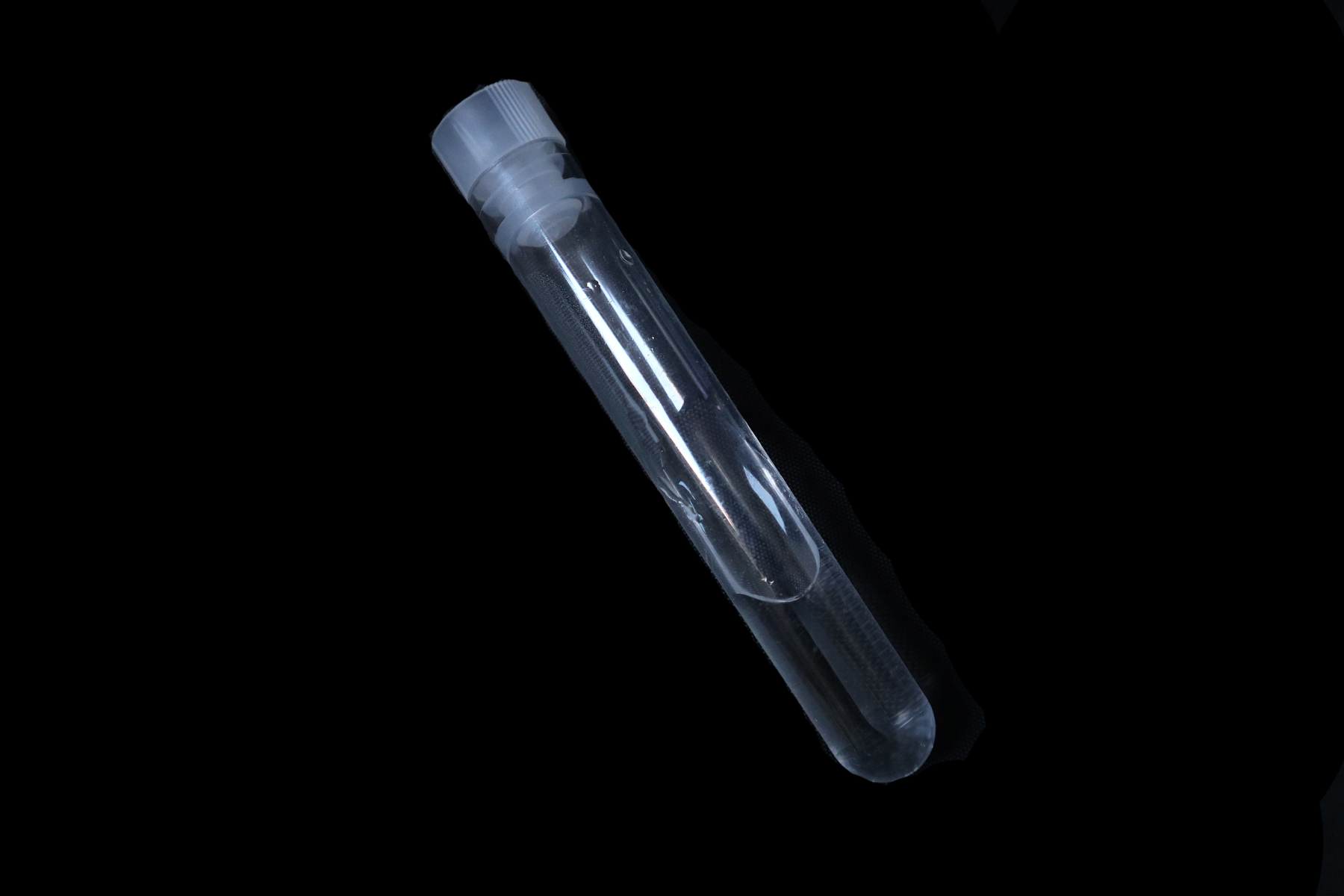
Exhibit: Vial of Gin
Year: 2203
Place: Glasgow
Eight hundred and twenty-two years ago, Glasgow was under water. As sea levels were rising, people from Glasgow were saving things from their culture to be preserved in a mountain vault. They undertook a process called Deep Adaptation, where they collectively determined what parts of their culture they wanted to preserve, and why. One of the many artifacts they felt was important is this vial of gin made from organic materials. This organic gin had three kinds of vital connections for the people who chose it. The first was a connection to the land and in particular gorse flowers, heather blossom, and juniper berries. The second connection was to people through both pub culture and family celebrations and the role of gin in those human connections. The third meaningful connection for the people who chose it was a connection to Glasgow’s maker tradition: “We make things in Glasgow.” At the time it was saved Scotland made 70% of the gin produced in the United Kingdom, a point of pride for its people.
Glasgow was under water for 644 years – long enough for all living memories of the place to disappear. Artificial Intelligence (AI) had consumed so much energy and so much fresh water that the entire planet went into a deep crisis that came close to fulfilling the prophecy of a Sixth Extinction that was almost the end of the human species. But by 2203, after a global desalination process was installed, the waters receded enough for the island to reappear, and it was eventually safe enough to unpack the vault and reconstitute this and other significant cultural artifacts preserved there.
As Glasgow returned to life Andrew Williams, Glasgow’s mayor said on March 11, 2203, “the drive of capitalism is not inevitable, it can not be the central structure we use to feed ourselves and each other.” And so it has been ever since.
Contributors: Monica Day, Ellen Skilton, Chris Mullin
 museumsofthefuturenow