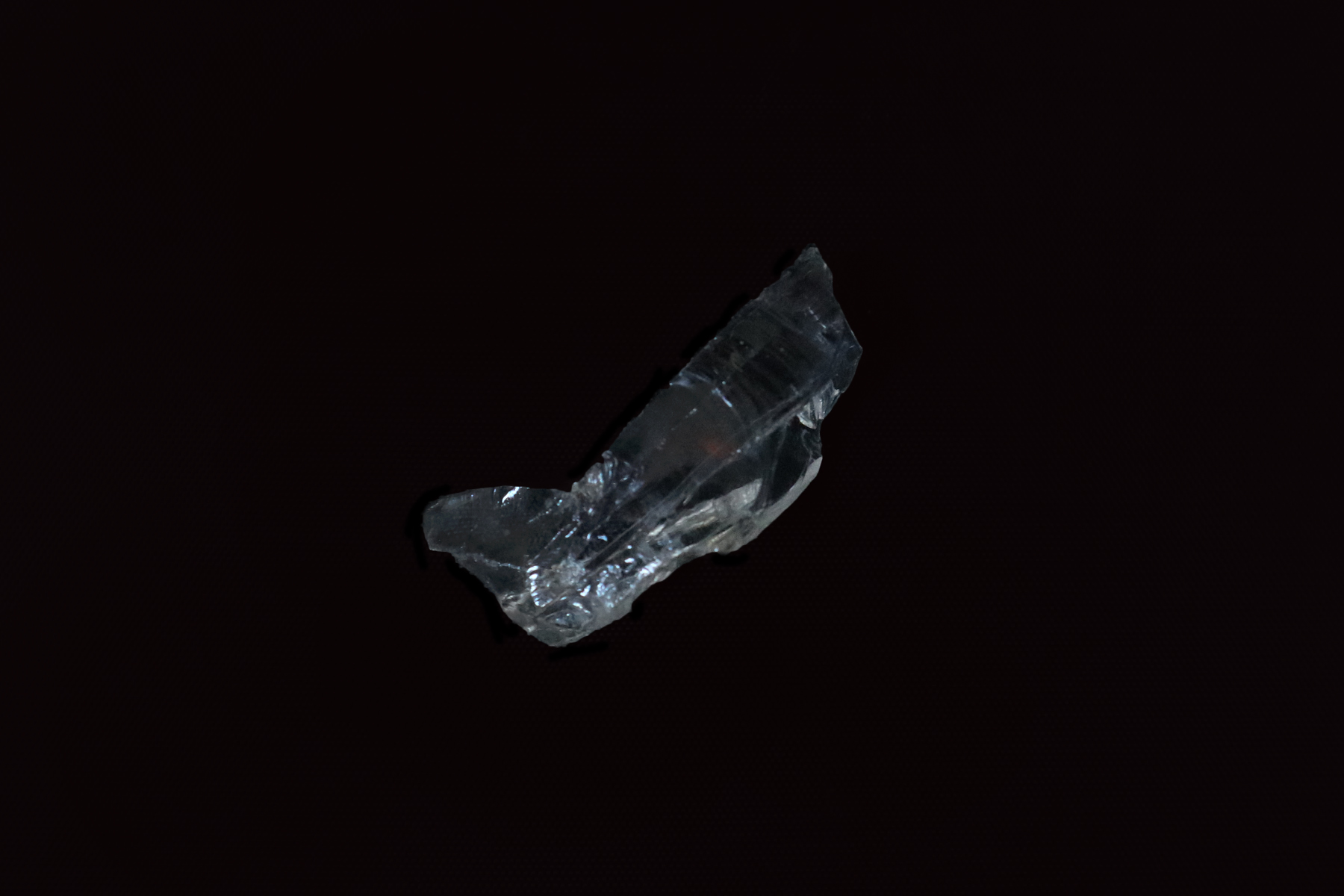
Exhibit: Chuck of glass
Year: 2100
Place: Glasgow
In the early 1900s, a school with a religious mission was established to reform the city of Glasgow. However, the significant issue with this school was that it only accepted students of the white race, excluding people of color. Schools all over were integrating, and when this school was pressured to follow suit, some of the less tolerant folk, such as parents and even school board members, lashed out. In response, students of both the school and surrounding areas organized a protest, demanding change, believing it was unjust that the school, which was intended to promote religious unity, only served a select group. The people of Glasgow protested against this discrimination, but the school’s administration rejected the idea of integration and opposed any changes to their policies.
One warm summer evening, this protest turned violent, echoing similar protest patterns from earlier years. The school building was destroyed. From what was observed at the site, this was a massive revolt. All of this was human destruction. Human hands filled with rage dug into the stone and dirt, bringing it all to the ground as if to bury these hostile ideals. Recovered, and brought back for more intense research, was a piece of glass that was buried among the rubble.
In 2100, a group of people were surveying abandoned sites. Some of the glass, like this artifact, were collected, and the group went to research the history of the site they had found. As they trudged through the rubble, the shattered windows, and the remaining stone pillars, these explorers were moved. There must have been a reason for this uproar. A passion that was so deep it led to the destruction of an entire institution. How could they move forward? What change could be enacted so that this event does not need to repeat itself? So, they were inspired to rebuild.
They started small and focused on health, empathy, and connecting to the land, as well as standard education topics. A new and more vibrant institution was built, free of confined beliefs and open to new change. The New School was run by passionate community members and was inclusive, accessible, and welcoming. By discovering something small that was destroyed years ago, they transformed it into an extraordinary object, symbolizing that little things can lead to something greater. This is now used as a touching stone in the school, not only to bring people together but also to bestow wisdom and mental growth upon those who visit the building and touch the stone.
Contributors: Arionna Chavis, Wylder Vasquez, Audrey Cobbs
 museumsofthefuturenow